
 In 30 Seconds




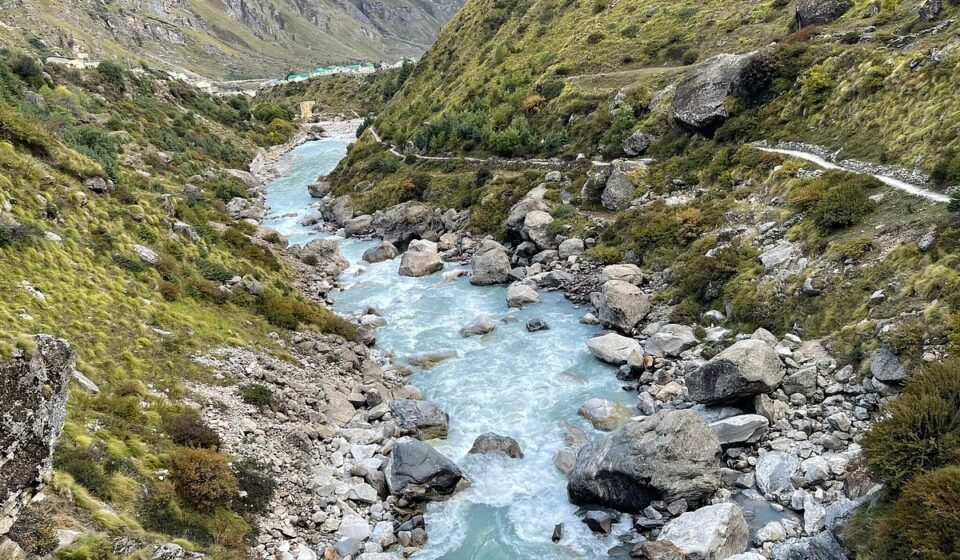
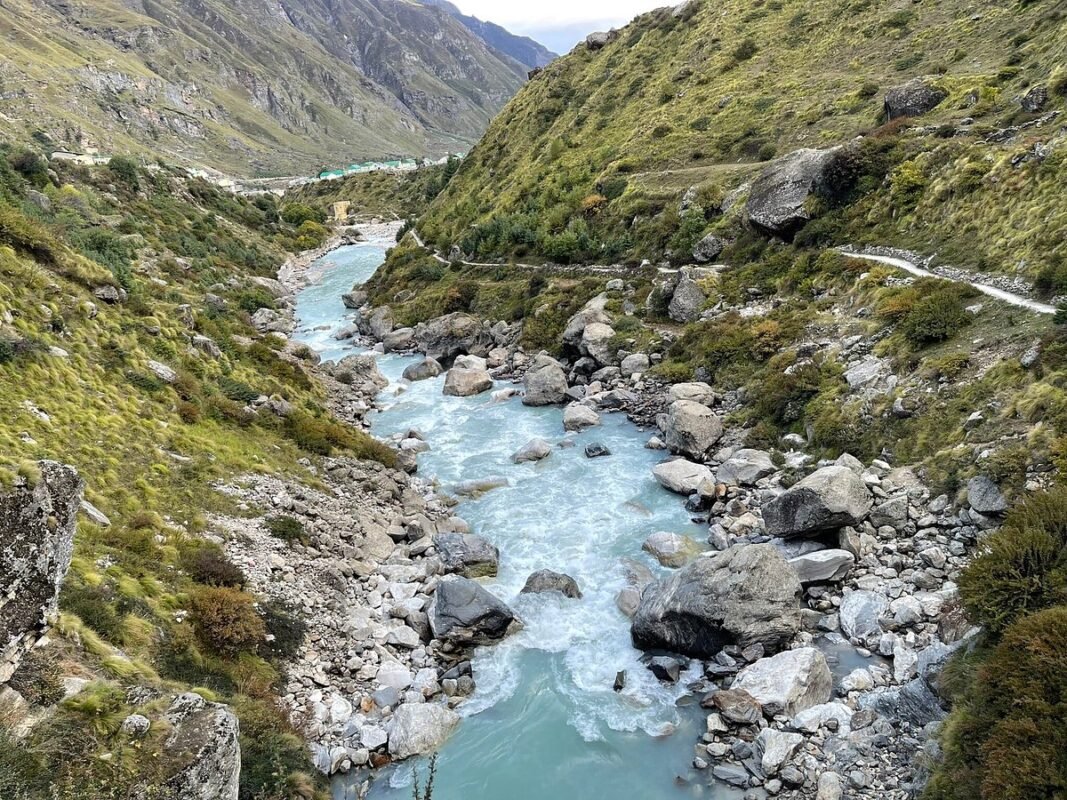
Among the many rivers praised in the hymns of the Rig Veda, one stands above all others in reverence and poetic beauty. The Saraswati is described as the mightiest of streams, a river that nourished a mother goddess of speech and wisdom, its waters flowing from the mountains to the sea with a grandeur that later Indian civilization would remember for thousands of years. Yet today, no such river appears on any modern map of India. This absence has fueled one of the most fascinating detective stories in the history of the subcontinent.
The Rig Veda, composed roughly between 1500 and 1200 BCE, describes the Saraswati as flowing between the Yamuna and the Sutlej, a mighty perennial river larger even than these surviving waterways. Ancient composers spoke of its foaming waves and its role as a lifeline for the communities settled along its banks. For centuries, later generations of Indians continued to honor the Saraswati in ritual and myth even as the physical river itself seemed to fade from living memory, eventually surviving only as a small seasonal stream in parts of modern Haryana and Rajasthan before disappearing into the desert sands near the Rann of Kutch.
Satellite imagery and geological surveys conducted over the past several decades have revealed something remarkable. A vast paleochannel, the dry bed of an ancient river system, runs precisely through the region the Vedic hymns describe, following the course of the modern Ghaggar Hakra river system. Sediment studies suggest that a large river once flowed along this path, fed by glacial waters from the Himalayan foothills, before tectonic shifts and changing river courses gradually cut off its water supply. Some geologists propose that earthquakes and shifting fault lines diverted the headwaters of what once fed this great river toward the Indus and Ganges systems instead, leaving the Saraswati to slowly wither.
The timing of this river’s decline is central to a much larger historical debate. A significant number of Harappan sites, the settlements of the Indus Valley Civilization, cluster along this now dry riverbed, more numerous in fact than along the Indus itself in certain periods. This has led some scholars to argue that the drying of the Saraswati around 2000 to 1900 BCE contributed directly to the decline of these urban centers, forcing populations to migrate toward more reliable water sources further east and south. It also raises intriguing questions about the relationship between the Vedic people, who remembered a great river, and the Harappan civilization that flourished along its banks centuries earlier.
Not every scholar agrees on how to interpret this evidence. Some caution against assuming the Vedic Saraswati and the Ghaggar Hakra paleochannel are definitely the same river, noting that hymnic descriptions can be poetic exaggerations rather than precise geography. Others see the correlation as too strong to dismiss, using it to argue for greater continuity between the Indus Valley Civilization and the later Vedic culture than earlier migration theories allowed.
Whatever the final scholarly verdict, the story of the Saraswati captures something profound about how civilizations remember their landscapes. A river that physically vanished from the earth continued to flow through poetry, prayer and cultural memory for thousands of years, reminding us that geography and imagination are often more deeply intertwined than we realize, and that beneath the sands of northwestern India lies a landscape still whispering its ancient secrets to anyone patient enough to listen.
Related Reading
- After Ashoka: The Slow Twilight of the Mauryan Dynasty
- The Aryan Question: What Genetics Now Tells Us
- Vedic Society: Caste, Family and Faith in Early India
Official context: Readers can compare this story with public information from Archaeological Survey of India.
Ancient India - Batch 1
Part 3 of 20 in this chapter.