 In 30 Seconds




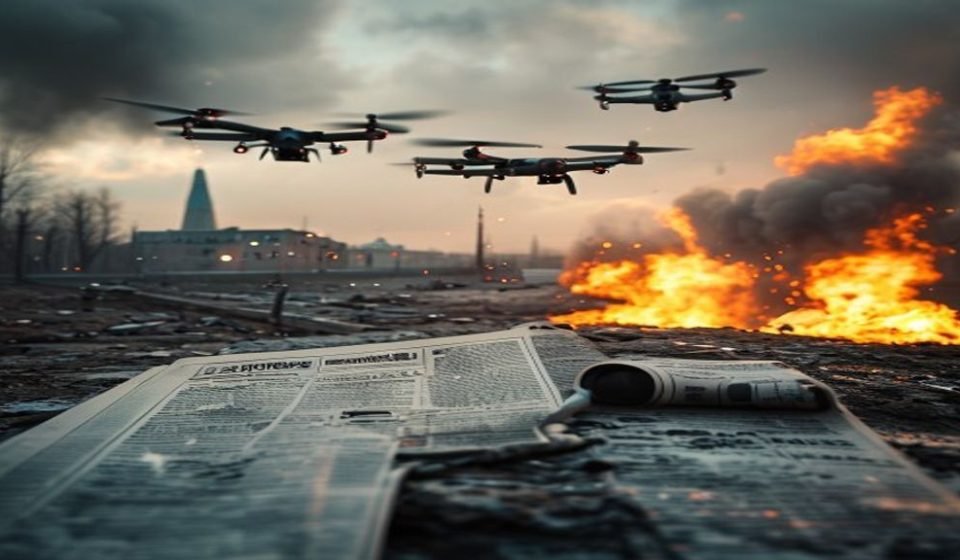
A series of Ukrainian drone attacks has tragically claimed the lives of seven warehouse workers in Russia, according to reports from Reuters. These strikes also ignited a substantial blaze at an oil depot situated in the Moscow region, marking a significant escalation in the ongoing conflict. The loss of life underscores the increasing human cost of the sustained aerial assaults targeting Russian territory, bringing the devastating consequences of the war closer to civilian populations. The incident involving the oil depot represents a direct blow to energy infrastructure within a strategically important area, potentially impacting supply chains and regional stability.
The attacks, reported on 2026 07 18, highlight the persistent and evolving nature of the conflict, particularly the expanding reach of unmanned aerial vehicles. The targeting of an oil facility within the Moscow region signifies an ongoing strategy to disrupt Russian logistical capabilities and exert economic pressure, even as it comes with a severe human toll. This event compels further scrutiny of both the tactical developments in drone warfare and the broader humanitarian implications for civilians caught in the crossfire of hostilities.
Background
The conflict between Ukraine and Russia has witnessed a significant evolution in tactics, with drone warfare emerging as a prominent feature. Both sides have increasingly relied on unmanned aerial vehicles for reconnaissance, surveillance, and direct offensive operations. Ukrainian forces, in particular, have intensified their use of drones capable of extended reach to target facilities deep within Russian territory. These attacks often aim at military installations, industrial sites, and energy infrastructure, seeking to disrupt logistical capabilities and exert economic pressure.
The Moscow region, despite its distance from the front lines, has not been immune to such incursions, becoming a recurring target for these aerial threats. Observers note that strikes on energy infrastructure, such as oil depots, carry multifaceted implications, extending beyond immediate material damage to encompass economic stability and public morale. These incidents highlight a broader strategy of asymmetric warfare, where smaller, more agile assets are deployed to challenge a larger adversary’s industrial and logistical strength. The increasing sophistication and reach of these drones mean that areas once considered relatively secure are now vulnerable, necessitating enhanced air defense measures across vast swathes of land. This evolving battlefield dynamic reshapes the understanding of front lines and areas of engagement, making the distinction between rear and forward positions increasingly blurred.
Timeline of Events
The critical events unfolded on 2026 07 18, when initial reports emerged concerning a series of Ukrainian drone attacks. These assaults led to a tragic loss of life, with seven warehouse workers in Russia succumbing to the impact of the strikes. Simultaneously, one of these drone incursions sparked a considerable fire at an oil depot located within the Moscow region. This singular, yet devastating, incident rapidly garnered international attention, highlighting the immediate human cost and infrastructure damage incurred during these aerial operations. The timing and nature of the attack underscore the persistent threat posed by unmanned aerial vehicles to civilian areas and critical infrastructure well behind conventional front lines.
Why It Matters
The recent drone attacks carry profound implications, touching upon humanitarian concerns, economic stability, and the broader trajectory of the conflict. Foremost among these is the tragic loss of seven innocent lives. The death of warehouse workers underscores the indiscriminate nature of modern warfare, where civilians, often far removed from active combat zones, become unintended casualties. This human toll amplifies calls for a reduction in escalation and accountability, highlighting the devastating impact of hostilities on everyday individuals striving to live their lives.
Economically, the fire at the Moscow region oil depot represents a direct blow to Russia’s energy infrastructure. Oil depots are vital nodes in the supply chain, facilitating the storage and distribution of petroleum products essential for both military operations and civilian consumption. Damage to such facilities can lead to disruptions in fuel supply, potentially impacting transport, industry, and daily life. The strategic location of the depot in the Moscow region further amplifies its significance, given the area’s importance as a logistical and administrative hub. Furthermore, these attacks carry significant psychological weight. Strikes deep within Russian territory, particularly near its capital, can erode public confidence and demonstrate a perceived vulnerability, challenging the narrative of security. For Ukraine, such actions, while condemned for their human cost, may be intended to demonstrate capability, maintain pressure, and disrupt Russia’s war effort by targeting its logistical and economic lifelines. The incident thus serves as a grim reminder of the conflict’s expanding geographical scope and its increasingly dire consequences for all involved, demanding careful consideration of its ripple effects across geopolitical landscapes.
What Could Happen Next
The aftermath of these drone attacks could precipitate several key developments across the region. Immediately, an intensified response from Russian air defense systems is highly probable. Authorities may seek to bolster existing defenses around critical infrastructure, particularly in areas previously considered less vulnerable, such as the Moscow region. This could involve deploying additional anti aircraft assets, enhancing radar surveillance, and refining interception protocols.
Militarily, the incident might provoke a retaliatory response from Moscow. While the specific nature of any such response remains speculative, it could manifest as intensified missile or drone strikes against Ukrainian targets, potentially focusing on infrastructure related to drone production or launch sites. Such reciprocal exchanges risk further escalation of the conflict, perpetuating a cycle of violence. Economically, the damage to the oil depot could lead to localized fuel shortages or price increases, prompting measures to secure alternative supply routes or rationing in affected areas. Internationally, the attacks will likely draw condemnation from some quarters, particularly concerning the civilian casualties. Calls for peaceful resolution and a reduction in escalation from global bodies and nations are anticipated to grow louder. However, the wider international community remains deeply divided on the conflict, suggesting that these calls may not immediately alter the trajectory of hostilities. The incident serves as a stark indicator that the conflict remains dynamic, with both sides continuing to seek leverage through various means, including strikes on critical infrastructure and deep territory incursions. Future developments will undoubtedly be shaped by the immediate reactions and strategic adjustments made in response to this tragic event.
Frequently Asked Questions
What were the immediate consequences of the drone attacks?
According to initial reports, the immediate consequences included the tragic deaths of seven warehouse workers in Russia and the outbreak of a significant fire at an oil depot located in the Moscow region. The human toll and infrastructure damage were the primary impacts observed.
Why is the Moscow region a significant target for such attacks?
The Moscow region holds immense strategic importance as a political, economic, and logistical hub for Russia. Targeting this area, even far from the front lines, aims to demonstrate military reach, exert psychological pressure, and disrupt vital supply chains and administrative functions. It challenges the perceived security of Russia’s core territories.
What does this incident suggest about the evolving nature of the conflict?
This incident underscores the expanding geographical scope of the conflict and the increasing reliance on drone warfare. It highlights how unmanned aerial vehicles allow for strikes deep within enemy territory, affecting civilian populations and critical infrastructure. This dynamic suggests a shift towards asymmetric tactics aimed at disrupting logistical and economic capabilities.