 In 30 Seconds




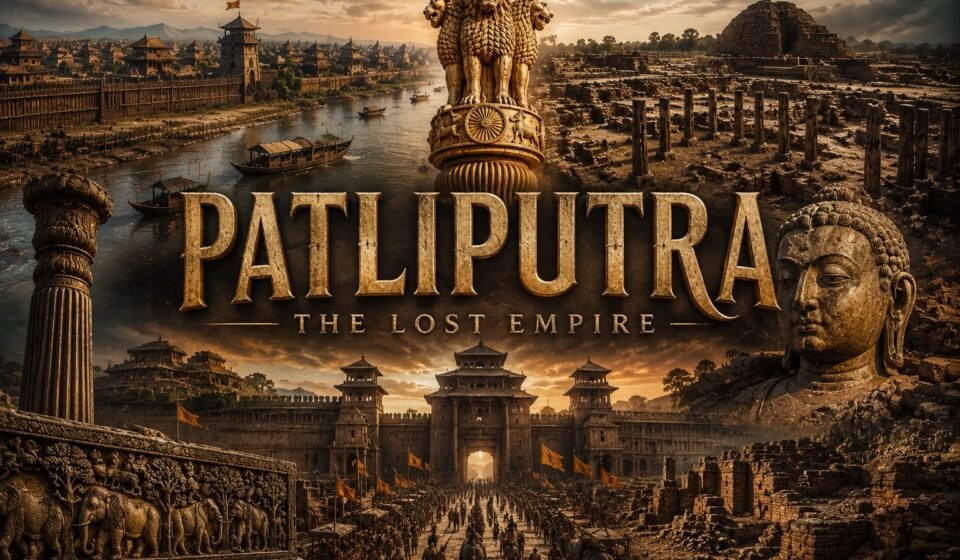
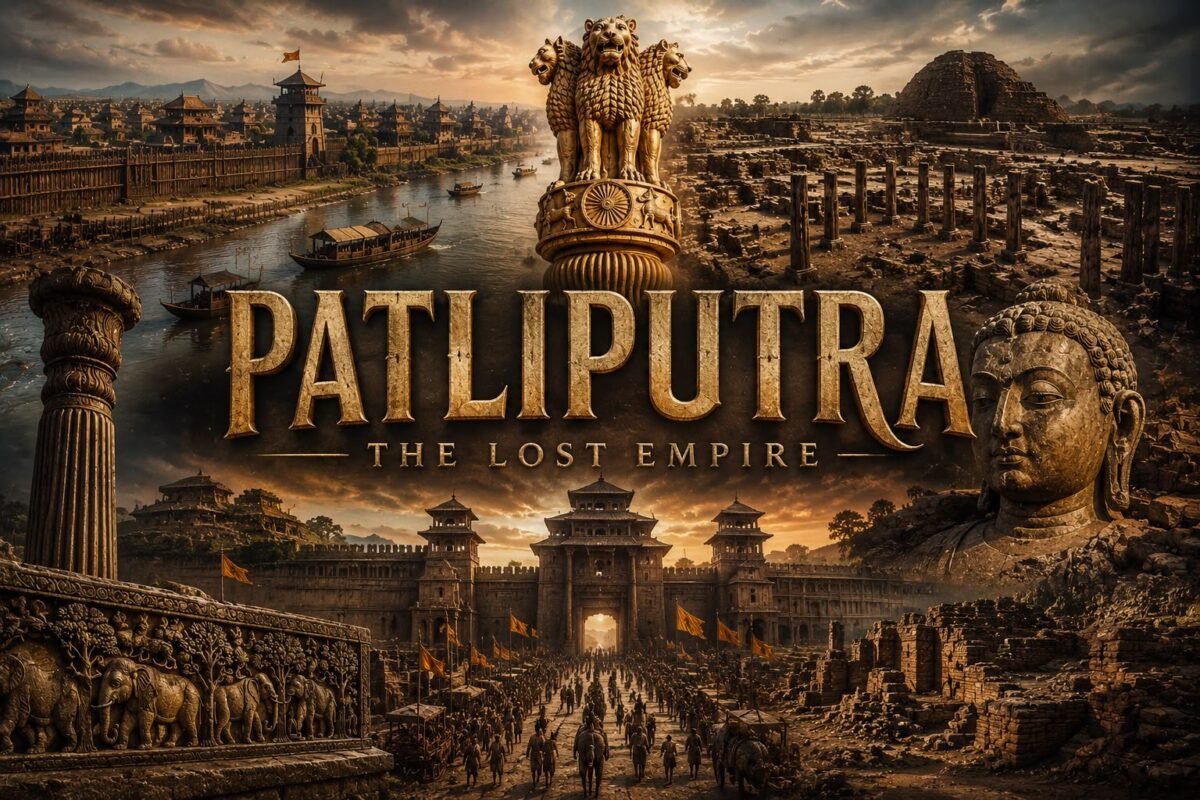
Beneath the bustling modern city of Patna, capital of the Indian state of Bihar, lie the buried remains of one of the ancient world’s truly great cities. Pataliputra, once the beating administrative heart of the Mauryan Empire and several dynasties before and after it, stood at the height of its power as arguably the largest and most impressive urban center anywhere in the world, a claim supported by the astonished accounts of foreign visitors who traveled there more than two thousand years ago.
Pataliputra’s strategic origins trace back to its position at the confluence of the Ganges and Son rivers, a location offering exceptional advantages for trade, agriculture and defense. The city began as a small fortified settlement, reportedly established by King Ajatashatru of Magadha in the fifth century BCE as a military outpost against the rival Vajji confederacy. Its natural riverine defenses and access to fertile agricultural land in the Gangetic plains allowed it to grow rapidly, and by the time the Nanda dynasty ruled Magadha, Pataliputra had already become the political center of one of the most powerful kingdoms in the subcontinent.
It was under Mauryan rule, however, that Pataliputra reached its greatest heights of splendor and influence. When Chandragupta Maurya established his empire, he made Pataliputra his imperial capital, and it remained the seat of Mauryan power through the reigns of Bindusara and Ashoka. The Greek ambassador Megasthenes, sent to the Mauryan court by Seleucus Nicator, left behind a detailed and vivid description of the city that survives through later classical sources. He described Pataliputra as an enormous walled city stretching along the riverbank, protected by a massive wooden palisade fortified with hundreds of towers and pierced by numerous gates, surrounded by a wide moat that served both defensive and sanitary purposes.
Within these formidable walls lay a sophisticated urban environment. Megasthenes described a dedicated municipal administration overseeing the city, organized into specialized committees responsible for matters ranging from trade and manufacturing regulation to the welfare of foreigners visiting the city, including provisions for medical care and even burial for visitors who died far from home. This level of organized civic administration impressed the Greek visitor considerably, offering a portrait of urban governance that rivaled or exceeded contemporary cities in the Hellenistic world he knew from his own travels.
The royal palace of Pataliputra, though now lost beneath centuries of subsequent construction and the shifting course of rivers, was reportedly a magnificent structure built primarily of wood, elaborately decorated and, according to some ancient accounts, rivaling the splendor of the great Persian palaces at Susa and Ecbatana that had so impressed Alexander the Great’s own soldiers during their campaigns through the Persian Empire. Archaeological excavations conducted in the twentieth century uncovered remains of a large pillared hall, believed to be part of this royal palace complex, featuring polished sandstone columns that echo the distinctive craftsmanship seen in Ashoka’s famous edict pillars erected across the empire.
Pataliputra’s importance did not end with the decline of the Mauryan Empire. The city continued to serve as a major political and cultural center for centuries afterward, eventually becoming the capital of the Gupta Empire, often celebrated as a golden age of Indian science, mathematics, literature and art. Chinese Buddhist pilgrim Faxian, visiting the city around 400 CE during Gupta rule, still described it as a magnificent metropolis with impressive public buildings and charitable institutions serving the poor and the sick.
Today, much of ancient Pataliputra remains hidden beneath the modern city of Patna, its wooden structures long decayed and its precise boundaries still only partially understood through ongoing archaeological work. Yet the scattered evidence that has been recovered, combined with the detailed accounts left by ancient visitors, allows us to reconstruct at least an outline of a city that once stood as one of the ancient world’s great urban achievements, a lost capital whose administrative genius and architectural ambition helped rule and shape an empire that changed the course of Indian history forever.
Related Reading
- After Ashoka: The Slow Twilight of the Mauryan Dynasty
- The Aryan Question: What Genetics Now Tells Us
- Vedic Society: Caste, Family and Faith in Early India
Official context: Readers can compare this story with public information from Archaeological Survey of India.
Ancient India - Batch 1
Part 13 of 20 in this chapter.