
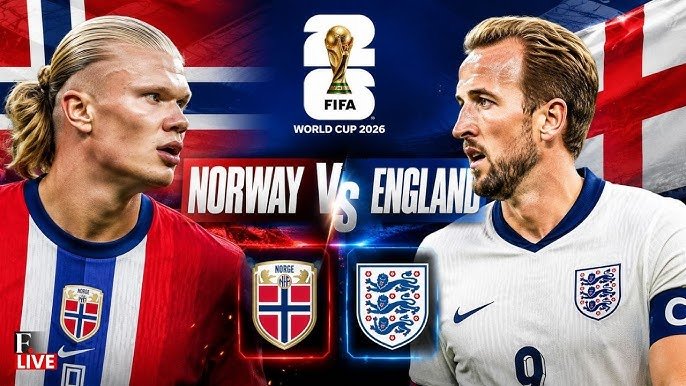
 In 30 Seconds




England has decisively ended Norway’s journey in the FIFA World Cup 2026, delivering a defeat that saw star striker Erling Haaland effectively nullified on the pitch. The outcome not only signals an early exit for the Norwegian squad but also sparked immediate controversy, with Haaland’s father publicly criticizing the referee’s performance.
The match, a pivotal moment for both nations’ World Cup aspirations, concluded with England securing a victory that has reverberated through international football circles. For Norway, the elimination marks a significant disappointment, especially given the presence of one of the world’s most formidable forwards in their ranks. Reports indicate that the much anticipated offensive prowess of Erling Haaland remained contained throughout the contest, contributing to Norway’s ultimate downfall.
Background
Norway entered the FIFA World Cup 2026 with considerable expectations, largely propelled by the scoring might of Erling Haaland. His prolific club form had many anticipating a similar impact on the international stage, hoping he would lead his nation deep into the tournament. However, the World Cup often presents unique challenges, and even the most formidable talents can find themselves facing unexpected obstacles.
According to ESPN.in, this recent match extended a remarkable streak, noting that Erling Haaland had been ‘silenced’ for an astounding 636 days. This figure suggests a prolonged period where the striker, despite his club heroics, has struggled to assert his typical dominance in high stakes international fixtures, at least in terms of goal scoring impact. The phrase ‘insane journey’ was used in reports, possibly alluding to Norway’s challenging path to the tournament or the dramatic ups and downs of their campaign.
The current defeat by England serves as a stark culmination of these challenges, effectively halting what many hoped would be a transformative World Cup run for Norway. The narrative surrounding Haaland’s performance has shifted from anticipation to analysis, scrutinizing how an opposition defense, coupled with other factors, managed to neutralize such a potent threat.
Timeline of Events
2026-07-12 01:42:00: The story first broke detailing England’s victory over Norway, which simultaneously ended Norway’s FIFA World Cup 2026 campaign. During the match, England successfully contained star player Erling Haaland, limiting his impact on the game. Contributing to this containment, reports also surfaced that a fellow Norway player notably opted not to pass the ball to Erling Haaland during crucial moments, further isolating the striker. Following the disappointing loss, Erling Haaland’s father made public statements attributing the defeat to the referee’s decisions, labeling a specific incident as the ‘Biggest Blunder’ of the match, according to reports.
Why It Matters
The early exit of Norway from the FIFA World Cup 2026 holds significant implications for the nation’s footballing future and the wider landscape of international football. For a country that boasts a generational talent like Erling Haaland, failing to progress further in the world’s premier football tournament represents a missed opportunity to elevate their global standing and inspire a new generation of players.
The effective ‘silencing’ of Erling Haaland by England is a major talking point. It highlights the tactical prowess required at the highest level of international competition and suggests that even individual brilliance can be overcome by a well organized team effort and perhaps, internal team dynamics. This outcome offers a blueprint for future opponents on how to manage a player of Haaland’s caliber, underscoring the collective nature of football.
Furthermore, the public criticism directed at the referee by Erling Haaland’s father adds another layer of complexity. Such accusations, particularly after a high profile World Cup match, invariably fuel debate about officiating standards, the use of VAR, and the pressure faced by referees. This incident could lead to broader discussions within FIFA and among national football associations regarding transparency and accountability in match decisions.
What Could Happen Next
In the immediate aftermath, Norway’s national team will likely undergo a period of intense review and introspection. The coaching staff and the football federation will need to assess the reasons for their early elimination, considering both on field performance and potential team cohesion issues highlighted by reports of a player refusing to pass to Haaland. Changes in leadership or strategy could be on the horizon as they plan for future international competitions.
For Erling Haaland himself, this World Cup experience, while disappointing for his national team, will undoubtedly serve as a crucial learning curve. As one of the sport’s brightest talents, he will likely refocus on his club commitments, aiming to maintain his formidable goal scoring record and develop his game further. His personal quest for international team success will continue, with eyes already turning towards the next major tournaments.
The refereeing controversy may prompt FIFA or relevant officiating bodies to issue statements or conduct internal reviews regarding the decisions in question. While unlikely to reverse the match outcome, such scrutiny could influence future referee appointments or even lead to adjustments in interpretation of rules. The discourse around referee performance will likely persist for some time, shaping conversations about fairness and sportsmanship in the global game.
Frequently Asked Questions
What was the immediate outcome of the England versus Norway match?
England defeated Norway, leading to Norway’s elimination from the FIFA World Cup 2026. This result also marked a notable instance where Erling Haaland was contained and could not significantly influence the game.
Who was blamed for Norway’s defeat?
Erling Haaland’s father publicly attributed Norway’s loss primarily to the referee’s decisions, referring to a specific incident as the ‘Biggest Blunder’ of the match. Reports also indicated an internal team issue with a player not passing the ball to Haaland.
What does it mean for Erling Haaland’s World Cup journey?
Erling Haaland’s FIFA World Cup 2026 journey with Norway has concluded. This early exit, particularly with his limited impact on the final game, presents a significant disappointment for the star striker and his national team.