
 In 30 Seconds




Long before Rome raised its first wall or Athens debated in its agora, a civilization was already thriving along the banks of a great river system in the northwestern part of the Indian subcontinent. We call it the Indus Valley Civilization, though its own people left us no name for themselves, only the silent testimony of brick and drain and seal. Today its cities lie buried under the soil of Pakistan and northwestern India, waiting patiently for archaeologists to keep uncovering their secrets.
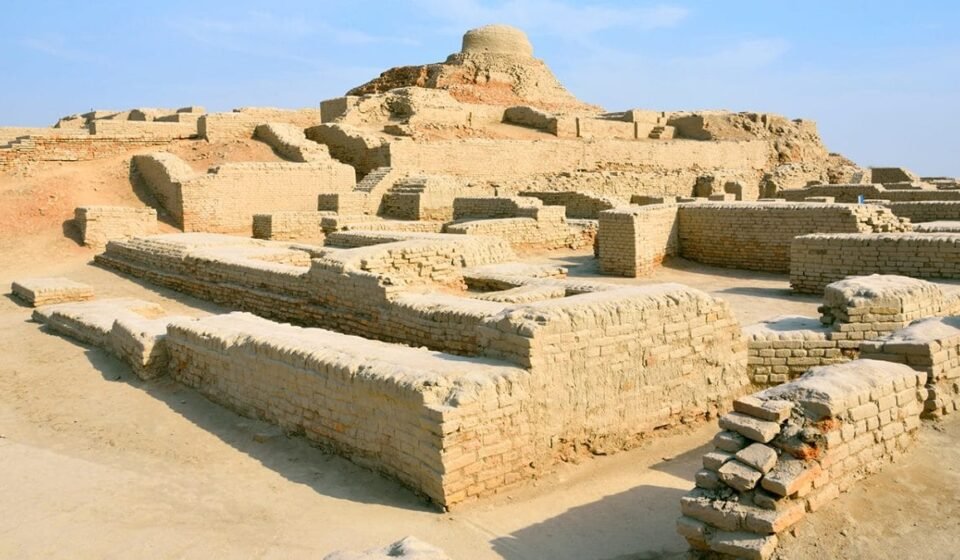
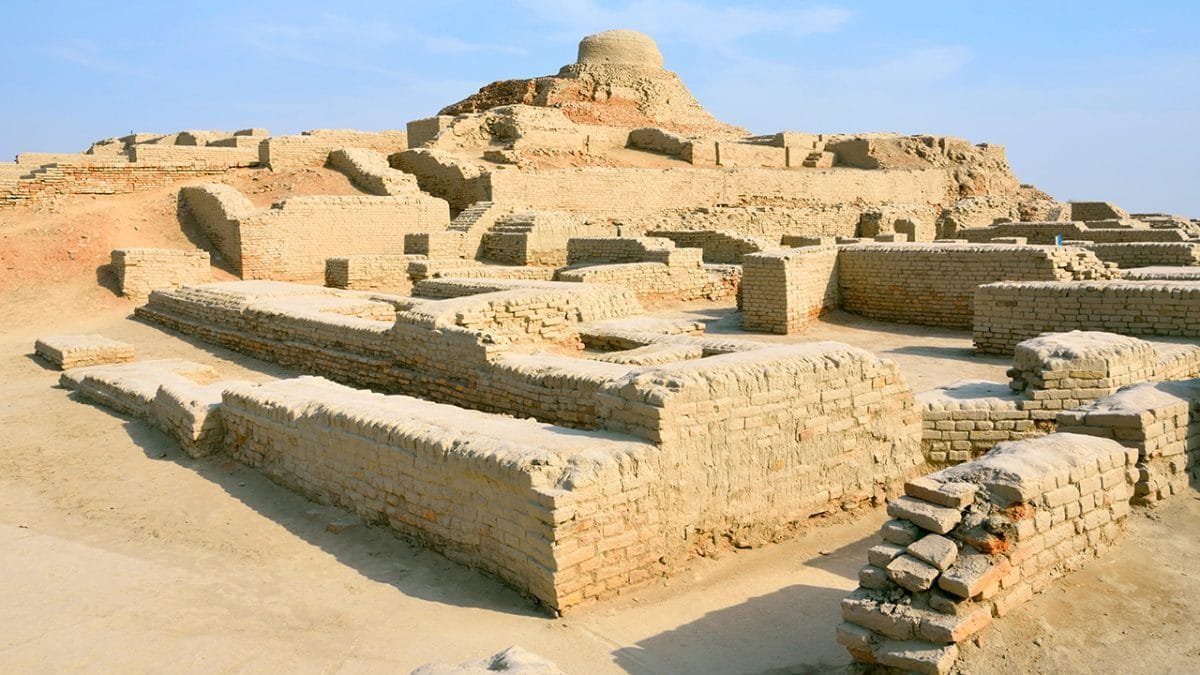
What makes this civilization so remarkable is not simply its age, stretching back nearly five thousand years, but the sophistication of its urban planning. Walk through the excavated streets of Mohenjodaro or Harappa and you will find grid patterns that would not look out of place in a modern city plan. Roads intersected at right angles. Houses were built from standardized baked bricks, their proportions almost identical across sites separated by hundreds of kilometers. This was not accidental. It suggests a society with shared building codes, centralized knowledge and remarkable administrative coordination, all without a single palace or monumental temple to mark a ruling elite the way Egypt or Mesopotamia did.
Perhaps the most astonishing achievement of these ancient engineers was their approach to water. Nearly every house had access to a private well or a connection to a covered drainage system that ran beneath the streets. Wastewater was channeled away from living spaces with a level of hygiene planning that many cities would not match again for thousands of years. The Great Bath of Mohenjodaro, a large watertight tank built with fine brickwork and layers of bitumen sealant, hints at ritual bathing practices that may echo forward into later Indian traditions of sacred water and purification.
Trade was the lifeblood of this civilization. Indus seals, small carved stones bearing animal motifs and an undeciphered script, have been found as far away as Mesopotamia, suggesting merchants traveled vast distances by land and sea. Beads of carnelian, ornaments of lapis lazuli, and finely crafted pottery moved along these routes, connecting the Indus world to Sumer, Elam and beyond. Weights and measures found across different settlements were standardized, another clue pointing toward some form of organized economic system that spanned an enormous geographic area.
Yet for all its brilliance, the Indus Valley Civilization remains deeply mysterious. Its script, appearing on thousands of seals and tablets, has resisted every attempt at decipherment. We do not know what language its people spoke, what gods they worshipped in detail, or how their society was governed. There are no grand narratives of kings or wars carved into stone, no epic poems that survived to tell us their story. What we have instead is the quiet material record of daily life: toy carts, fishhooks, cooking vessels, children’s marbles, and the bones of the people themselves.
Around 1900 BCE, this civilization began a slow and still debated decline. Climate change, the drying of rivers, shifts in monsoon patterns and possibly overextension of resources are among the theories proposed by researchers. Cities were gradually abandoned rather than destroyed in some dramatic conquest, and the population appears to have dispersed into smaller agricultural communities across the region.
The legacy of the Indus Valley Civilization did not vanish, however. Many scholars believe its cultural threads, from urban planning ideas to certain religious symbols, wove themselves quietly into the fabric of later Indian civilization. Understanding this ancient world is essential for anyone who wants to grasp where the story of India truly begins, not with a single dramatic event but with the patient, practical genius of people who built cities meant to endure.
Related Reading
- After Ashoka: The Slow Twilight of the Mauryan Dynasty
- The Aryan Question: What Genetics Now Tells Us
- Vedic Society: Caste, Family and Faith in Early India
Official context: Readers can compare this story with public information from Archaeological Survey of India.
Ancient India - Batch 1
Part 1 of 20 in this chapter.