 In 30 Seconds




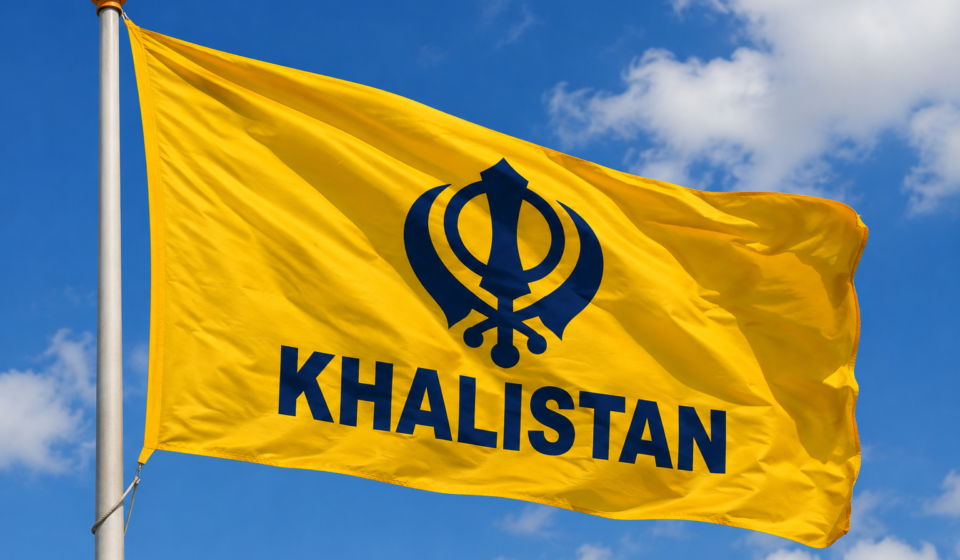
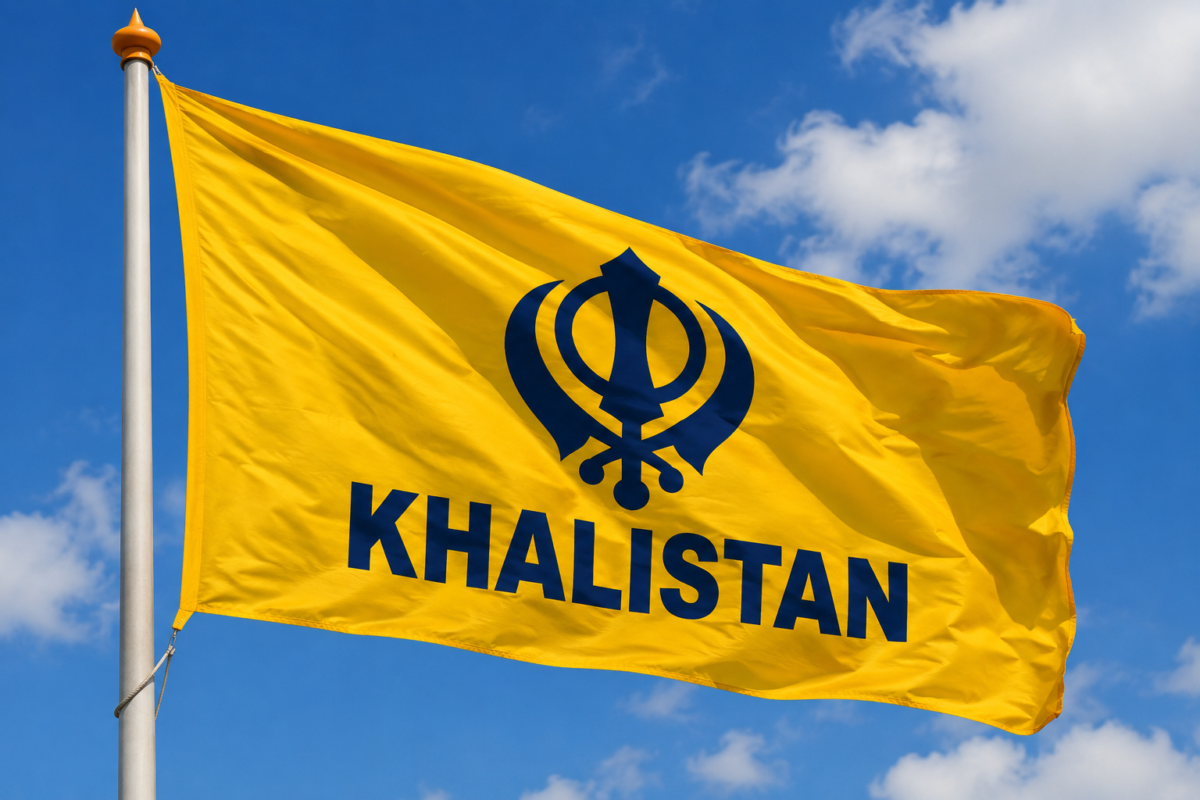
The word Khalistan hangs over every discussion of Punjab’s dark years, and yet the demand it names has a stranger and thinner history than either its champions or its enemies usually admit. The idea of a sovereign Sikh state was never endorsed by the Akali Dal, never appeared in the Anandpur Sahib Resolution, never won an election, and never commanded, by any serious measure, the support of a majority of Sikhs in Punjab. It nonetheless became the banner under which thousands killed and died. How that happened is one of the essential truths of the period.
Early Sketches of an Idea
Versions of a Sikh state were floated around Partition, when some Sikh leaders, facing the division of Punjab between India and Pakistan, briefly canvassed a third option before throwing in their lot with India. The idea then slept for decades. Its modern revival is usually credited to Jagjit Singh Chauhan, a former Punjab minister who moved abroad and in 1971 took out advertising in the American press proclaiming an independent Sikh homeland. Chauhan spent the following decades in London issuing proclamations, symbolic currency, and passports for a state that existed nowhere on earth. He was, for most of the 1970s, regarded even within Sikh politics as an eccentric.
The diaspora gave the idea its first real constituency. Organisations in Britain, Canada, and the United States, some predating the violence and some created by it, adopted Khalistan as a cause, and after 1984 as a creed. It is one of the enduring ironies of the story that the demand for a Sikh homeland always polled better in Southall and Surrey and Vancouver than in Sangrur.
1984: The Manufacture of a Cause
What transformed Khalistan from an emigre eccentricity into a fighting faith was Operation Blue Star and the November 1984 massacres. Bhindranwale, as recorded earlier in this series, had pointedly declined to demand Khalistan, saying only that an attack on the Darbar Sahib would lay its foundation. The army’s assault on the complex, followed within months by the organised slaughter of Sikhs in Delhi and other cities while the state looked away, convinced a generation of young Sikh men that their community had no secure future in India. Recruitment into militant groups surged on grief and humiliation more than on ideology. The formal proclamation came on April 29, 1986, when the Panthic Committee, emerging from a Sarbat Khalsa gathering at the Akal Takht, declared the establishment of Khalistan, a moment covered in a later article.
Who Carried the Gun
The armed movement was never a single organisation. The Khalistan Commando Force, Babbar Khalsa, the Khalistan Liberation Force, and the Bhindranwale Tiger Force, along with factions and splinters beyond counting, fought under the same word while differing in discipline, ideology, and behaviour. Pakistan’s Inter Services Intelligence is extensively reported, in Indian official accounts and international scholarship alike, to have provided sanctuary, training, and weapons, a subject this series treats separately. Over time, and it is a truth the movement’s sympathisers rarely confront, the militancy’s victims were overwhelmingly Punjabi and very substantially Sikh: villagers who resisted extortion, families of policemen, rival factions, moderates, and any voice that dissented.
An Idea Without a Majority
The clearest verdict on Khalistan was delivered by Punjab itself. When the guns fell silent, the state’s voters returned repeatedly to parties committed to the Indian union, and every attempt to revive the demand electorally has failed, including in the decades since. Surveys and election results alike suggest the demand today survives principally in sections of the diaspora and on the political margins within India, flaring into headlines through referendum campaigns abroad and periodic episodes at home.
None of this means the grievances that fed the militancy were imaginary. They were real, and this series documents them without flinching. But it is possible, and necessary, to hold two truths together: that the Sikhs of Punjab suffered profound injustice in the 1980s, and that the answer chosen by the men with guns, a separate state pursued through the murder of their own people, was rejected by the very community in whose name it was demanded. Punjab’s tragedy is that it took fifteen years and more than twenty thousand lives for that rejection to be heard.
Related Reading
- The Killing Fields of Majha: Tarn Taran and Amritsar in the Late 1980s
- The Bus Massacres: When the Militancy Turned Its Guns on Passengers
- The Air India Kanishka Bombing: Terror Crosses the Ocean
Official context: Readers can compare this story with public information from India.gov.in.
Origins and Escalation
Part 6 of 10 in this chapter.